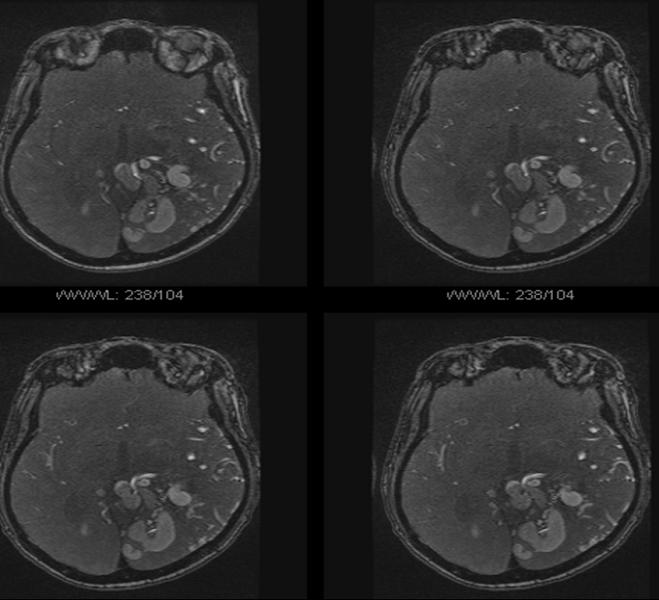
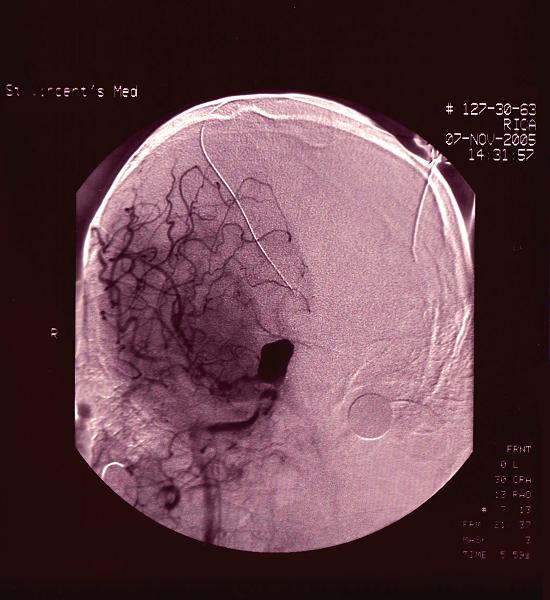
Stroke is one of the most common neurological conditions. Also called a cerebrovascular accident (CVA), it can have a devastating outcome. Just as you have a heart attack when the blood supply to the heart is compromised due to a clogged artery in the heart, stroke is similarly a brain attack and occurs when the blood supply to the brain gets compromised. The brain is richly supplied by blood vessels and does not tolerate ischemia (reduced blood supply) well.
There are different types of strokes and here I shall enumerate a few of them. Strokes can broadly be categorized under 2 headings:
1) Ischemic strokes ( when blood supply to the brain is compromised eg a clot in the artery supplying the brain shall cause an ischemic stroke).
2) Hemorrhagic strokes ( when a blood vessel in the brain ruptures, hemorrhage occurs into the surrounding brain structures causing a hemorrhagic stroke).
Ischemic strokes can be caused by several different kinds of disease processes and can be further classified either on the basis of the calibre of the blood vessel involved or on the basis of the pathogenic mechanism which caused the stroke.
On the basis of calibre of the blood vessel involved, strokes can be further classified as
1) Large vessel strokes: a big blood vessel in the brain gets blocked. Usually when the doctor refers to a large vessel stroke he means strokes involving large arteries such as the internal carotid artery (ICA), the middle cerebral artery (MCA), anterior cerebral artery (ACA) or the posterior cerebral artery (PCA).
2) Small vessel strokes: a small blood vessel in the brain gets blocked. Usually these are the penetrating arteries of the brain which supply the deeper parts of the brain.
Based on the mechanism/cause of ischemic strokes, we can classify strokes as:
1) Atherothrombotic : the stroke occurs due to atherothrombosis, the same mechanism which causes many of the heart attacks. The blood vessels of the brain become hardened and narrowed due to atherosclerosis: an inflammation of the arteries due to deposition of lipoproteins/fat and cholesterol . This deposition of lipoproteins give rise to what we commonly refer to as plaques. This most commonly occurs in people who have risk factors for both stroke and coronary artery disease namely diabetes, hypertension, high cholesterol, smokers etc.
2) Embolic: here a plaque may break off from its primary site such as the heart and travel up to the brain blocking off a brain vessel. Lots of things can embolize to the brain:
-cholesterol plaques
-fat embolism ( commonly seen after one has a long bone fracture. The long bones like tibia and femur are very rich in bone marrow which is rich in fat. When a fracture occurs rarely the fat may embolize via a blood vessel to the brain.
-air embolism ( strange though it may sound even a bubble of air can embolize to the brain and cause a stroke)
Embolic strokes can be of two types:
1) Cardioembolic : a clot embolizes from the heart to the brain.
2) Artery to artery embolic: a clot embolizes from a larger artery commonly the carotid artery in the neck to a small artery in the brain.
Hemorrhagic strokes: just as ischemic strokes, hemorrhagic strokes can also be of various types. Hemorrhagic strokes are usually classified on the basis of the compartment of the brain into which the bleeding occurs.
1) Bleeding can occur into the substance of the brain itself: this is called as primary intracranial hemorrhage (ICH)
2) Bleeding can occur in the subarachoid space of the brain: this is called sub-arachnoid hemorrhage (SAH). I shall be discussing this under a separate heading.
3) Bleeding can occur in either the epidural or subdural space: this is called epidural hematoma (EDH) and subdural hematoma (SDH) respectively.