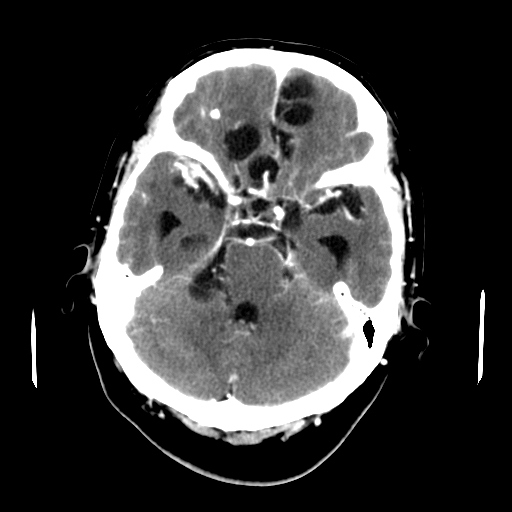
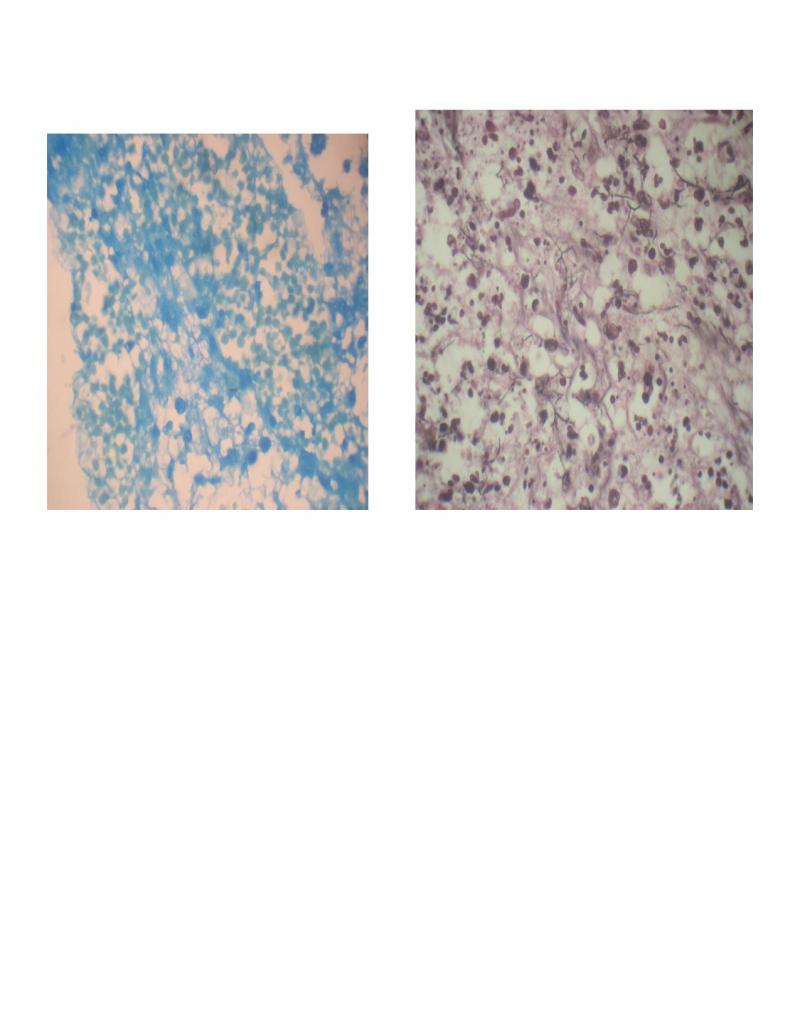
.The topic of CNS infections is vast. Here I shall try to cover the most common infectious diseases which involve the nervous system namely:
1) meningitis: bacterial, viral , fungal and tubercular
2) encephalitis : viral (including herpes encephalitis), Mollarets meningitis
3) HIV/AIDS: CNS toxoplasmosis, CMV encephalitis, progressive multifocal leukoencephalopathy (PML), HIV encephalopathy or AIDS dementia complex, crytococcal meningitis, primary CNS lymphoma.
4) Neurocysticercosis
5) Brain abscesses
Meningitis: refers to inflammation of meninges. The meninges are the covering of the brain. There are 3 meninges namely pia mater, arachnoid and dura mater (from inside out). Meningitis can be caused by multiple organisms. Thus one can have:
1) Bacterial meningitis: here meningitis is caused by bacteria. Different bacteria cause meningitis in different age groups. In neonates the common bacteria are group B streptococcus, Listeria and E coli. In young men and women the common meningitis causing bacterium is meningococcus. Meningococcus is well known to cause meningitis in epidemics. Epidemics have been reported in conditions of overcrowding like in school and military barracks. In the elderly, the most common pathogens are streptococcus pneumonia and Listeria.
Staphylococcus is the most common pathogen isolated in patients who have meningitis associated with head trauma. Irrespective of the infecting organism, patients present with a constellation of signs and symptoms. Patients with bacterial meningitis look and feel sick. They have complaint of headache and neck pain. There is also neck rigidity and patients frequently complain of photophobia and phonophobia (bright lights and sounds bother them). They are usually febrile.
Bacterial meningitis is a medical emergency. These patients are sick and if not treated in time with intravenous antibiotics, they can develop septicemia and die. Survivors of bacterial meningitis maybe left behind with significant neurological deficits like weakness or loss of hearing.
Viruses too can cause meningitis. As compared to bacterial meningitis, viral meningitis usually is a self limited and more benign condition. Patients usually have headache, neck pain, photophobia and phonophobia but are not that sick. Most of the times no virus can be isolated from the spinal fluid, hence viral meningitis is sometimes also called aseptic meningitis. No antibiotics are needed for viral meningitis and with bed rest, hydration these patients usually make a full recovery in a few days.
A special type of viral meningits is that called Mollaret's meningitis. Patient's with Mollaret's meningitis have recurrent attacks of viral meningitis. These recurrent attacks of viral meningitis are thought to be due to periodic reactivation of the herpes virus. Mollaret's meningitis can be diagnosed by either isolating the Mollaret's cells from the cerebrospinal fluid or by detecting the herpes virus in it (this is usually done by a test called the PCR-polymerase chain reaction). Mollaret's meningitis may be difficult to diagnose as the Mollaret's cells are present in the CSF only for a short while and then disappear. Patient's with Mollaret's meningitis suffer from repeated episodes of viral meningitis. There is no well defined treatment available, though during the acute attack your doctor might treat you with an anti-viral drug (effective against the herpes group of viruses). Examples of these drugs include Acyclovir and Valcyclovir.
There are numerous other infective causes of meningitis. Some fungi can cause meningitis. The important among them is cryptococcal meningitis. Also tubercular meningitis (caused by mycobacterium tuberculosis) ia an important cause of meningits in the devoping countries of Asia and Africa.
Cryptococcal meningitis: Cryptococcal meningitis is commonly seen in immunocompromised patients (those with HIV/AIDS). This fungal meningitis is an impotant cause of morbidity and mortality if not detected and treated in time. Usually patients present with complaints of headache and may have signs of raised pressure in the brain (increased intracranial pressure). If the meningitis is not treated in time, patients may get involvement of the cranial nerves.
Tubercular meningitis: as the name suggests, this meningitis is caused by Mycobacterium tuberculosis, the same bacterium which causes pulmonary tuberculosis. Tubercular meningitis can be fatal if not treated in time. It usually causes involvement of the lower cranial nerves as they exit from the base of the brain. Thus patients may develop difficulty in swallowing, facial weakness, involvement of the cranial nerves which control eye-movements may also occur. Tubercular meningitis is treated with conventional anti-tubercular drugs like isoniazid, rifampicin, ethambutol, pyrazinamide and streptomycin. Treatment is usually one of long duration, at times you may have to take anti-tubercular drugs for as long as 18 months.